
When to Hire Your First HR Person? The Signs That Matter More Than Headcount
As a founder, you still read every CV, answer every question about leave and sign every contract. The company has grown past forty people and someone at a dinner tells you it is “time to hire an HR person”. Maybe it is. But the moment to make that hire is not set by a headcount, and the first HR person you hire will only be as useful as the job you give them.
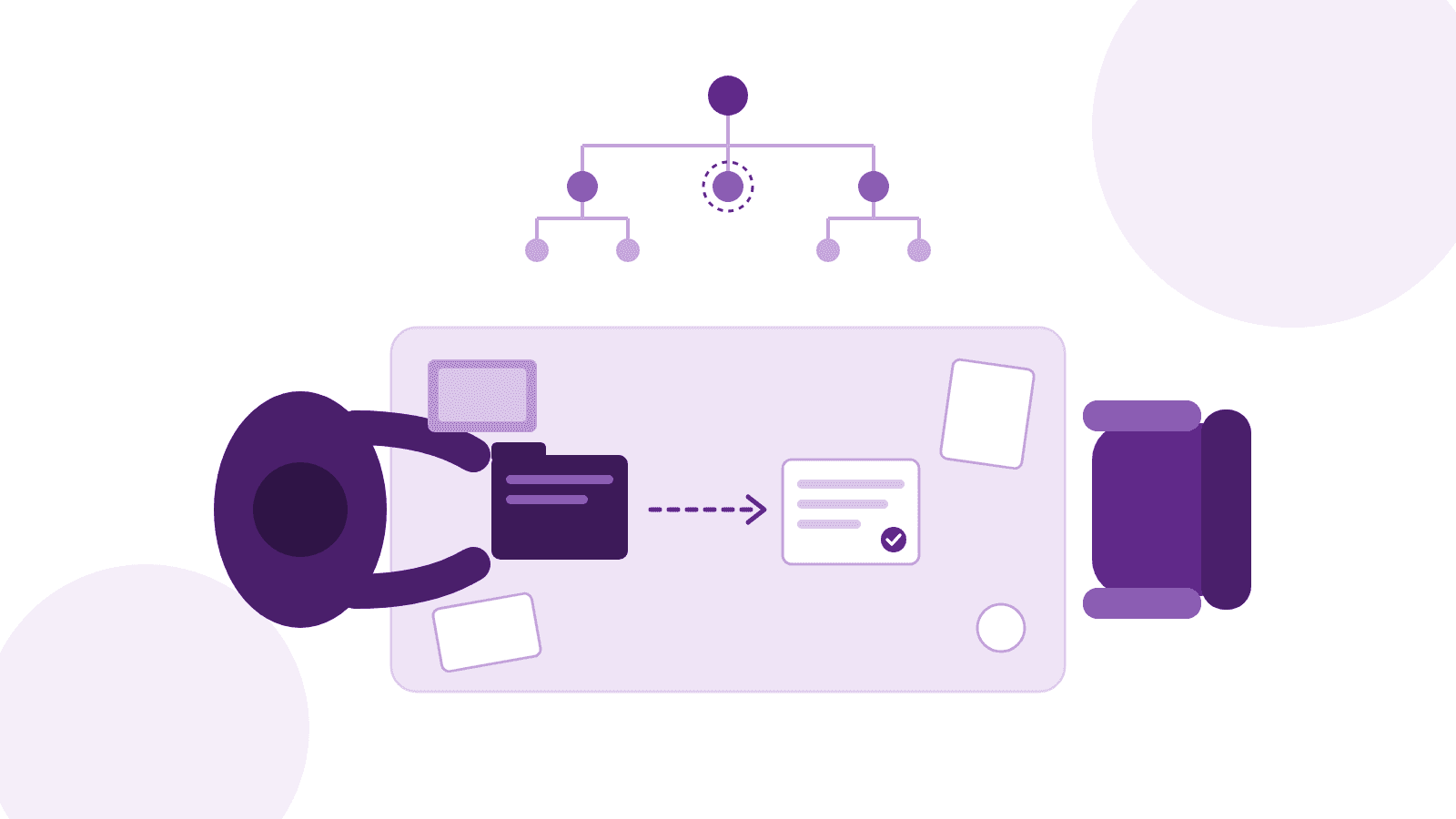
Most founders do not decide to hire their first HR person. They end up there, usually after a bad month: three hires running at once, a resignation, a question from the accountant about a threshold. The hire is then made in a hurry, for a role nobody has defined. This guide is for founders without an HR team. It covers the signs that matter more than headcount, which profile to hire first, and what to prepare so that the person you hire spends their time on people rather than on cleaning up.
Why Headcount Is a Weak Trigger
Headcount is the number everyone quotes, because it is easy to measure. Some guides give rules of thumb: a guide from CCI Lyon Métropole on HR in fast-growing startups suggests a first generalist HR manager at around 30 employees and a person dedicated to recruitment around 50. These are useful orders of magnitude, not rules.
French law adds its own milestones. According to the Éditions Tissot guide to headcount thresholds, reaching 11 employees triggers the election of a social and economic committee (CSE), and 50 employees extends its powers and makes internal rules (règlement intérieur) mandatory. The counting rules and grace periods differ by obligation, so check the exact dates with your accountant or employment lawyer.
The limit of both approaches is the same. Two companies of 45 people can have very different needs. One hires twice a year and runs payroll through an accounting firm; the other plans ten hires and has managers who have never interviewed anyone. The right question is not “how many are we?” but “what am I doing that nobody else does, and what is it costing?”.
Five Signs It Is Time
- Hiring eats a fixed part of your week. Not a busy week now and then, but every week: screening, scheduling, interviews, offers. When recruiting is permanent, it needs an owner.
- You answer the same questions every week. Leave balances, sick notes, remote work, the health insurance plan. Each answer takes five minutes; together they fragment your days.
- Managers come to you for every people decision. A salary review, a difficult conversation, a probation period ending. If no decision moves without you, you are the bottleneck.
- A threshold is getting close. Approaching 50 employees brings obligations that someone has to prepare and then keep running over time.
- New hires arrive to an improvised start. No equipment ready, no plan for the first weeks, a manager who learns the start date the day before. That is usually the first sign that people topics have outgrown the founder’s calendar.
One sign alone can be handled with a better habit. Three or more at the same time usually mean the company needs someone whose job is people, not a founder squeezing it in between clients and investors.
A Concrete Case: 45 People, One Founder
Take an illustrative company of 45 employees with seven hires planned over the next twelve months. The founder tracks their own time for two weeks and finds roughly six hours a week on recruitment and four hours on HR administration.
| Task | Hours per week | Who could own it |
|---|---|---|
| Reading applications and shortlisting | 2.5 | A tool first, then an HR person |
| Scheduling interviews with managers | 1.5 | A tool |
| Interviews and debriefs | 2 | Founder and managers, prepared by HR |
| Leave, contracts, onboarding paperwork | 2.5 | An HR person or an outside firm |
| Questions and conflicts from the team | 1.5 | An HR person |
Ten hours a week over 45 working weeks is about 450 hours a year, roughly a quarter of a full time job, done by the person whose time is the scarcest in the company. The table shows something else: not every line calls for a new hire. Shortlisting and scheduling are repetitive work that can be taken off the founder’s plate without anyone new. The questions from the team and the support to managers cannot. That second half is the real job description of the first HR person.
Generalist, Recruiter or Shared HR: Which Profile First
“An HR person” covers very different jobs. The right first profile depends on where the load really sits.
| Your situation | First profile | Why |
|---|---|---|
| Steady growth, few hires, many team questions | HR generalist | The load is in daily people topics, policies and managers |
| Ten or more hires a year, roles hard to fill | Recruiter or talent acquisition | The load is in the hiring pipeline itself |
| Under 30 people, budget not yet there | Part time or shared HR | A few days a month covers the legal basics and the policies |
Most companies of 40 to 60 people end up with a generalist first, because the team questions never stop, while hiring comes in waves. If you choose a generalist, be honest in the interview about the share of recruitment in the role. A generalist who discovers on arrival that 70% of the job is screening CVs rarely stays long.
The Admin Trap
Founders often hire their first HR person to get rid of administration. The risk is that the administration is all they get to do. In the 2025 “HR day to day” barometer by Éditions Tissot and PayFit, 60% of HR professionals say they spend at least half of their working time on administrative tasks, and 57% cite a lack of time and resources.
That figure is not about how well HR teams work. It is about the tools and processes they are handed. A first HR person who inherits a shared inbox, a spreadsheet of candidates and contracts stored in three places will spend their first months rebuilding what exists, not supporting managers. The value you hired them for, the conversations, the onboarding, the advice on a difficult decision, waits behind the paperwork.
What to Prepare Before Day One
A few hours of preparation decide how fast your first HR person becomes useful.
- A written list of what you hand over. Which topics they own, which they share with you, and which stay with you, such as executive hires or salary budgets.
- The documents in one place. Contracts, the collective agreement that applies, the health insurance plan, the payroll provider’s contacts.
- The open roles in one pipeline. Every candidate, their stage and the notes from interviews, rather than threads in your mailbox that only you can read.
- An introduction to the managers. Tell the team what the new person owns, so that questions go to them from the first week instead of still coming to you.
Hiring the HR person is itself a hire in a field you may not master. Our guide on hiring for a role outside your expertise explains how to assess a candidate when you cannot judge the craft yourself, and the article on writing a first job description as a founder helps you turn the list above into a clear brief.
Carrying Hiring Until the Hire
Between the moment you see the signs and the day your HR person starts, there are often three to six months: deciding, recruiting, a notice period. Hiring does not stop in the meantime, and it is the part of the load you can lighten fastest.
- Without any tool, applications sit in your inbox, interviews are booked by email and the history of each candidate is in your memory. That is exactly what your future HR person will have to reconstruct.
- With an ATS bought early, the risk is the opposite: a tool configured for a recruitment team that does not exist yet, that managers do not open and that you end up bypassing.
What helps in this period is a single place that does the repetitive part: sorting applications against your criteria, proposing interview slots, keeping the notes of each step. Kynto groups these tasks in one assistant, so the founder keeps the decisions and the human contact, and the first HR person arrives to a pipeline that is already readable. You can see how it works for founders hiring without an HR team. If you are earlier in the journey, our article on when to structure hiring in a growing team covers the step before this one.
Key Takeaways
- Headcount gives orders of magnitude. The real trigger is the load you carry alone, measured over a few weeks.
- Split that load: repetitive hiring tasks can be taken by a tool, team questions and manager support need a person.
- Choose the first profile from where the load sits, and prepare the documents, the pipeline and the handover before day one.
FAQ
Should my first HR hire be junior or senior?
A first HR person works without a team to learn from, and managers will test them on difficult cases from the first month. That favours someone with a few years of experience across several HR topics. A junior profile can work if you already have an outside firm or a shared HR consultant to back them up.
Can an accounting firm replace a first HR hire?
It can cover payroll, contracts and the legal calendar, which removes a large part of the administration. It does not cover what happens inside the team: onboarding, manager support, the conversation before a resignation. Many companies keep the firm for payroll after hiring their first HR person.
How do I know the HR hire is working after six months?
Look at your own calendar first: the hours you tracked before the hire should have dropped. Then ask the managers whether they get answers faster, and check whether new hires now start with a plan. If the person is still buried in paperwork, the problem is usually the tools and the scope you gave them, not the person.
Hiring a first HR person is less about reaching a number than about deciding which part of your week should belong to someone else. Measure that part, take the repetitive tasks off it, and hire for what remains: the human side of a growing team.
Your first HR hire is also a hire in a field you may not know well. Read how founders assess candidates outside their own expertise.
Read the guide to hiring outside your expertise